Vast methane plumes have been discovered boiling up from the seafloor of the Arctic ocean on the continental slope of the Laptev Sea by a dream team of international scientists. Over the last decade a warming tongue of Atlantic ocean water has been flowing along the Siberian Arctic ocean's continental slope destabilizing methane ice, hypothesize the team of Swedish, Russian and American scientists.
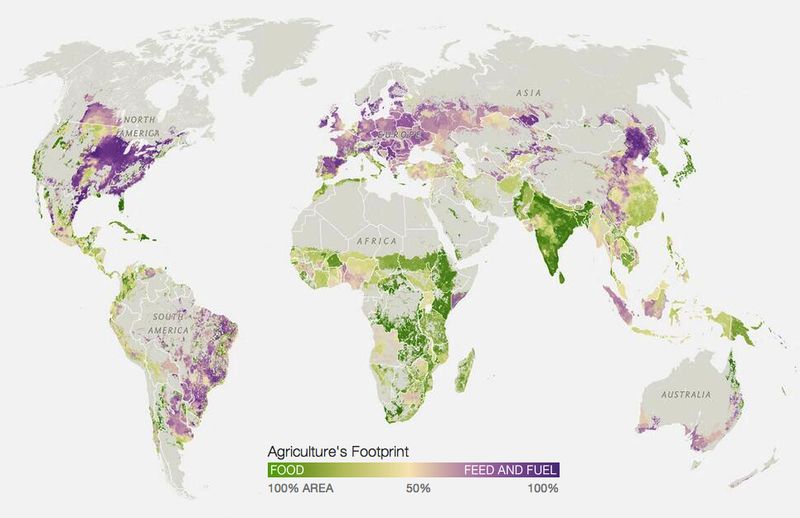
This fascinating map from National Geographic shows the proportion of the world's crops that are grown for direct human consumption (in green) versus all the crops that are grown for animal feed or biofuels (in purple):
The Arctic ecosystem, already under pressure from record ice melts, faces another potential threat in the form of rapid acidification of the ocean, according to an international study published on Monday.
Acidification, blamed on the transformation of rising levels of the greenhouse gas carbon dioxide from the air into carbonic acid in the sea, makes it harder for shellfish and crabs to grow their shells, and might also impair fish reproduction, it said.
The Drupal open-source content management system (CMS) powers more than one million websites and more than twelve percent of the top 100,000 according to BuiltWith.
There are several different directions that our planet can take to address the ever growing need for water and energy. This will involve integrating technologies of a large and small scale into our grid and into our homes as well. There are two main technologies in which to address large scale water sustainability: desalination and ‘pure water’ recycling. As the California dries out, it is increasingly important to adopt proven strategies to maintain the current standard of living.
There are several different directions that our planet can take to address the ever growing need for water and energy. This will involve integrating technologies of a large and small scale into our grid and into our homes as well. There are two main technologies in which to address large scale water sustainability: desalination and ‘pure water’ recycling. As the California dries out, it is increasingly important to adopt proven strategies to maintain the current standard of living.
There are several different directions that our planet can take to address the ever growing need for water and energy. This will involve integrating technologies of a large and small scale into our grid and into our homes as well. There are two main technologies in which to address large scale water sustainability: desalination and ‘pure water’ recycling. As the California dries out, it is increasingly important to adopt proven strategies to maintain the current standard of living.
There are several different directions that our planet can take to address the ever growing need for water and energy. This will involve integrating technologies of a large and small scale into our grid and into our homes as well. There are two main technologies in which to address large scale water sustainability: desalination and ‘pure water’ recycling.
There are several different directions that our planet can take to address the ever growing need for water and energy. This will involve integrating technologies of a large and small scale into our grid and into our homes...
There are several different directions that our planet can take to address the ever growing need for water and energy. This will involve integrating technologies of a large and small scale into our grid and into our homes...
There are several different directions that our planet can take to address the ever growing need for water and energy. This will involve integrating technologies of a large and small scale into our grid and into our homes...
There are several different directions that our planet can take to address the ever growing need for water and energy. This will involve integrating technologies of a large and small scale into our grid and into our homes...
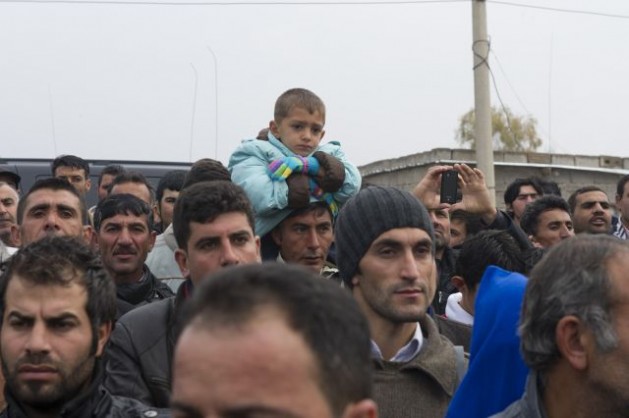
UNITED NATIONS, Jan 17 2014 (IPS) - The widespread sectarian violence and ongoing military conflicts in several political hotspots, including Syria, Iraq and Lebanon, have not only claimed thousands of human lives and devastated fragile economies but also undermined the U.N.’s longstanding plans to eradicate hunger and extreme poverty worldwide.






/cdn0.vox-cdn.com/uploads/chorus_asset/file/665482/map_food_vs_fuel.0.jpg)